
Back Pain Relief in Bangalore: No Surgery, No Painkillers
Physiotherapy, Spine & Posture Health, Back Pain & Rehabilitation, Clinic News & Expert Advice, Patient Education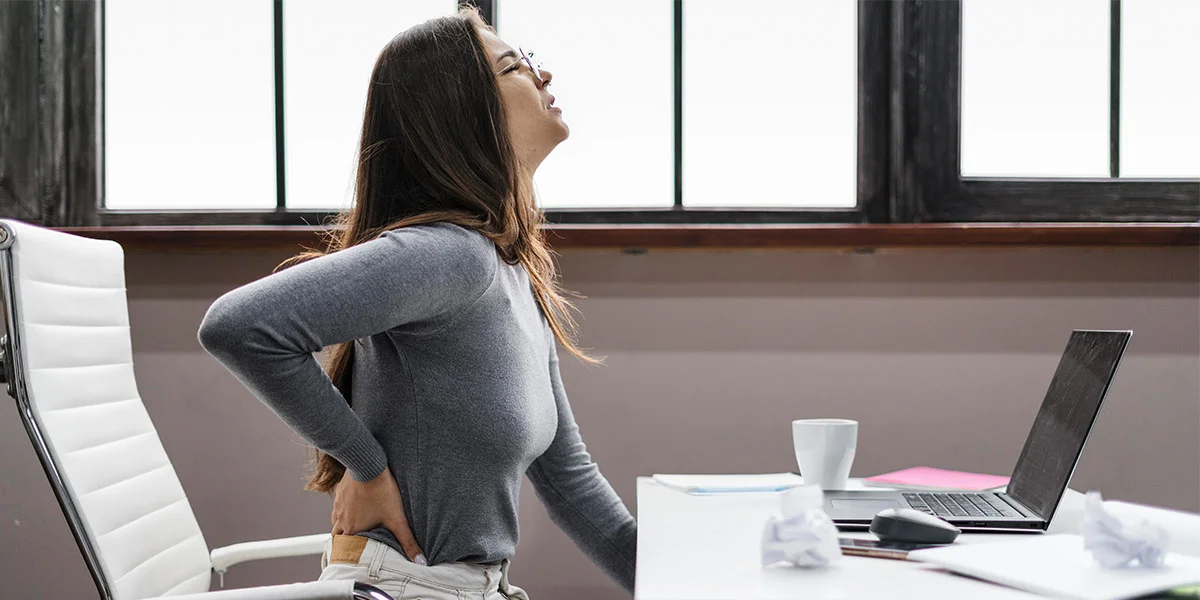
Back Pain Relief in Bangalore — Without Surgery, Without Painkillers
By Dr. Palanivel Mayavan, Lead Physiotherapist & Founder, Le Yantra Spine & Sports Injury Clinic, Bangalore
You've Searched for Back Pain Relief in Bangalore. Here's What You Actually Need to Know.
If you're reading this, the chances are you've already tried something — a painkiller that wore off by evening, a massage that helped for a day, a heat patch that did nothing by morning. Perhaps you've been told to rest. Perhaps someone has mentioned surgery.
And through all of it, the pain has stayed.
Back pain in Bangalore is not just a health statistic. It is the working professional who can't sit through a meeting without shifting in their chair. It is the homemaker who dreads picking anything up off the floor. It is the student who has started to believe, at twenty-six, that this is simply how their back is now.
At Le Yantra Spine & Sports Injury Clinic, we see this every day. And every day, we tell our patients the same thing: back pain is common, but it is not normal — and in the overwhelming majority of cases, it does not require surgery or long-term medication to resolve.
What it requires is the right diagnosis, the right treatment, and a clinic that takes the time to understand your body rather than simply managing your symptoms.
Why Are So Many People in Bangalore Suffering from Back Pain?
Bangalore is one of India's most professionally demanding cities. Long working hours, extended commutes, the sustained sedentary posture of work-from-home culture, and the psychological pressure of high-performance environments have created conditions in which musculoskeletal pain — particularly back pain — is almost structurally inevitable for large sections of the population.
After treating thousands of patients across Bangalore, the patterns we see are consistent:
Work-from-home posture has become one of the most significant drivers of new and worsening back pain presentations since 2020. Kitchen chairs, sofas, and dining tables were not designed as workstations. Sustained lumbar flexion across an eight to ten hour working day, on a surface without appropriate support, creates predictable spinal loading consequences.
Sedentary lifestyle and reduced movement — prolonged sitting compresses intervertebral discs, inhibits the deep lumbar stabilisers, and adaptively shortens the hip flexors. The result is a spine that is simultaneously loaded and under-supported.
Weak core musculature — the deep stabilisation system of the lumbar spine requires regular, progressive loading to maintain its protective function. In populations that are predominantly sedentary, this system becomes inhibited and underpowered — leaving the spine exposed to cumulative mechanical stress.
Psychological stress and poor sleep — both are recognised physiological amplifiers of back pain. Cortisol-mediated inflammation, sustained sympathetic nervous system activation, and sleep-disrupted recovery cycles all make pain worse and recovery slower.
Untreated prior injuries — an ankle sprain, a sports collision, a previous episode of back pain that "got better on its own" — unresolved injuries alter movement mechanics in ways that eventually manifest as back pain months or years later.
Temporary interventions — painkillers, heat patches, occasional massage — address none of these root causes. They reduce the signal. They do not change what is generating it.
Why Surgery and Long-Term Painkillers Are Rarely the Answer
We regularly see patients who arrive at Le Yantra after months or years of medication, or having been told that surgery is their only remaining option. The clinical reality is more encouraging than they have been led to believe.
Research consistently demonstrates that in approximately 85–90% of back pain cases, conservative management — including targeted physiotherapy — is as effective as surgical intervention, with lower risk and longer-lasting outcomes. Even in patients with confirmed disc herniations, the natural history of disc resorption over 6–12 months, combined with structured rehabilitation, produces results comparable to surgical decompression in most non-emergency presentations.
Long-term painkiller use presents its own risks: gastric complications, dependency, and — critically — the masking of pain signals that the body is generating for a reason. Pain is not the problem. It is the body's communication that something in its mechanics or neurology requires attention. Suppressing that signal without addressing its source does not constitute treatment.
What constitutes treatment is understanding why the pain exists, and systematically restoring the structural, neuromuscular, and movement-pattern factors that are generating it.
How Le Yantra Approaches Back Pain Differently
Le Yantra Spine & Sports Injury Clinic was founded on a single clinical conviction: that the body, given the right conditions and the right therapeutic support, has an extraordinary capacity to heal. Our entire treatment model is built around creating those conditions.
We begin with a detailed full-body assessment. Back pain rarely originates only where it is felt. A thorough evaluation of spinal alignment, hip and thoracic mobility, core function, lower limb mechanics, and movement patterns identifies the true source of your symptoms — not just the location of your discomfort. This assessment is the foundation on which every treatment plan at Le Yantra is built.
We use a zero-drug approach. We believe movement is medicine. Our treatments are hands-on, active, and progressive — designed not to manage your pain but to resolve its cause.
Our clinical toolkit includes:
Advanced physiotherapy — evidence-based manual therapy, motor control retraining, and progressive exercise rehabilitation targeting the specific structural and neuromuscular deficits identified in your assessment.
Chiropractic spinal adjustments — precise, controlled mobilisation and manipulation of restricted spinal segments to restore joint mechanics, reduce nerve irritation, and improve the efficiency of movement throughout the spine.
Myofascial release and trigger point therapy — targeted soft tissue techniques that release chronically shortened and hypertonic muscles, restore fascial mobility, and address the muscular pain generators that sustain the pain cycle.
Muscle balance therapy and posture correction — systematic identification and treatment of the muscular imbalances — tight hip flexors, inhibited gluteals, weakened deep stabilisers, overloaded thoracic musculature — that create the mechanical conditions for back pain.
Customised rehabilitation programmes — because no two spines are identical, no two treatment programmes at Le Yantra are identical. Your programme is built around your specific findings, your lifestyle, your occupation, and your recovery goals.
Every plan we create is designed with the same end point in mind: not just a reduction in pain, but a body that is structurally stronger, mechanically more efficient, and genuinely less vulnerable to recurrence.
Who We Treat at Le Yantra
Back pain does not discriminate. Our patients include software engineers who spend ten hours a day at a desk in Whitefield, teachers on their feet all day in Malleswaram, athletes managing training loads in the city's sports academies, new mothers navigating the physical demands of early parenthood, and retirees who have been told their pain is simply age-related and inevitable.
It is not inevitable. Across all of these presentations, the consistent finding is that appropriately targeted, individually designed physiotherapy produces meaningful, measurable, and lasting improvement.
Two Clinics. One Standard of Care.
Le Yantra Spine & Sports Injury Clinic operates from two locations across Bangalore, making specialist spinal care accessible across the city:
Malleswaram, Bangalore MEI Layout, Bangalore
Both clinics offer the same standard of clinical excellence — a calm, purposefully designed therapeutic environment, advanced equipment, and a team of physiotherapists, chiropractors, and spine care specialists working under the clinical leadership of Dr. Palanivel Mayavan.
Don't Wait for Back Pain to Become a Bigger Problem
The single most consistent predictor of back pain outcome is timing. Patients who seek assessment and treatment within the first few weeks of symptom onset consistently recover faster, more completely, and with lower risk of recurrence than those who wait months before seeking professional support.
Waiting rarely allows back pain to resolve. More often, it allows compensatory patterns to become habitual, muscular deconditioning to deepen, and the nervous system's sensitivity to pain to increase. What begins as a manageable mechanical problem becomes a more complex rehabilitation challenge.
Your back pain is your body communicating that something in its mechanics needs attention. The earlier that communication is heard and responded to, the more straightforward and complete the recovery.
Book your assessment at Le Yantra Spine & Sports Injury Clinic, Bangalore.
Our specialist team will identify exactly what is driving your pain, build a treatment plan designed specifically for your body, and guide you through a recovery that is grounded in clinical evidence and delivered with genuine care.Walk in with pain. Walk out with a plan.